
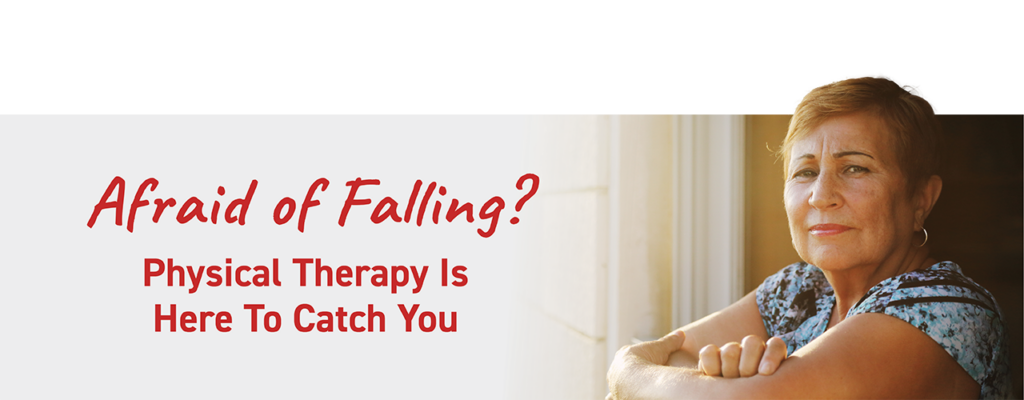
Marion, 74, was terrified of falling. (Note that her name has been changed.) She’d heard the statistics: Falls are a leading cause of injury among people over 60 and the second leading cause of injury deaths worldwide. And although she’d always been active, she found her balance changing as she grew older, which only deepened her fears.
Like many people, Marion didn’t realize that the fear of falling can also be debilitating. That fear kept her close to home. She didn’t spend as much time with friends and family, and her lifestyle was much less active than it had been ten years earlier — which actually increased her fall risk!
But then Marion began seeing a physical therapist to help with her hip pain. When she shared her concerns about falling, he incorporated fall prevention strategies into her treatment plan, building Marion’s confidence enough that she returned to some of her favorite activities, like gardening and meeting with friends for a weekly coffee.
At Optimum Physio Therapies, we know falls can be frightening. But we also know that fall prevention training can help you face your fears and give you the confidence to live an active, healthy lifestyle, even into old age.
Ready to get started with your own fall prevention plan? Schedule an appointment with us today!
The first step to saying goodbye to back pain is understanding what causes it. It might be due to a sedentary lifestyle, an old injury, or even just daily wear and tear. No matter the reason, understanding the root causes is your key to finding the solution.
Understanding Your Fall Risk
Everyone’s fall risk is different. No single factor determines your likelihood of a fall; instead, it’s a complex blend of age, lifestyle choices, and health conditions. The more of these factors apply to you, the more likely you are to fall.
Which items on this fall risk list apply to you or a loved one?
• Advanced age (60 years or older)
• Being female (women are more likely to suffer falls than men)
• Joint pain, including from arthritis
• Spells of dizziness or vertigo (a spinning sensation)
• Decline in vision or hearing
• Sedentary lifestyle
• Impaired balance or gait
• Weakness in the lower body
• Use of medications that can cause dizziness or balance issues
• Neurological disorders such as Parkinson’s disease or Alzheimer’s
• Stroke survivor
• A history of falls
If you think you might be at a high risk of falling, don’t get scared — give us a call! Our team of physical therapists can assess your fall risk and provide you with a customized fall prevention plan that can lower the likelihood of a fall-related injury.
How Physical Therapy Can Keep You On Your Feet
A good fall prevention plan will address your specific fall risks. For example, someone who suffers from regular vertigo attacks would benefit from specialized therapy to address that issue. Meanwhile, someone with Parkinson’s disease doesn’t necessarily need to worry about dizziness but does need to address an impaired posture, balance, and gait.
Our therapists will work with you to decide which specific treatment options will be the right choice for your personal fall prevention plan. That said, there are some commonalities. Here are a few of the techniques we typically include:
- Pain Management: Joint pain can inhibit mobility, resulting in a sedentary lifestyle and increased fall risk. If you suffer from pain, we’ll work with you to manage it safely and effectively.
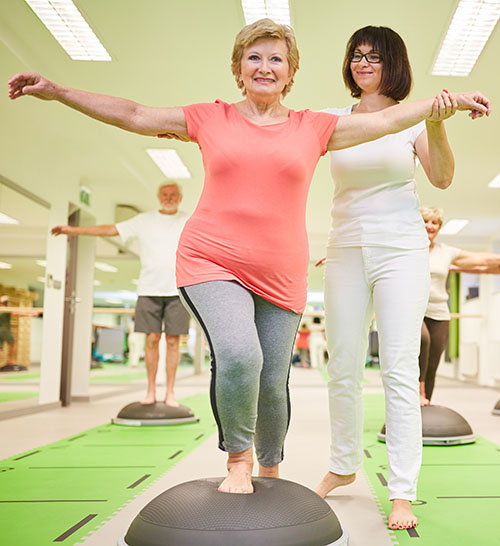
- Balance Training: Balance training is the foundation of fall prevention. We’ll guide you through specialized exercises that challenge your balance in a safe, monitored environment — ensuring you see improvements over time.
- Strength Training: One of the reasons older people have an increased fall risk is that you lose muscle mass as you age, making it more challenging to move around. We’ll prepare a strength training program appropriate to your ability level and help you restore some of that lost muscle mass.
- Gait Training: This technique focuses on improving your walking patterns. Certain conditions (such as Parkinson’s disease or stroke) can severely change your gait, and addressing those impairments can reduce your chances of falling.
- Regular Exercise Program: Staying active plays a significant role in keeping you from a fall. We’ll suggest an exercise program that suits your needs and abilities, such as a simple walking regimen.

No More Fear of Falling: Call Us Today!
A dedicated fall prevention plan from Optimum Physio Therapies can give you the confidence to age healthfully, no matter your fall risk. Call us today to schedule an appointment for your initial consultation!
Our Patients Get Great Results
“I recommend you start your journey to a successful, pain-free life with Optimum Physio!”
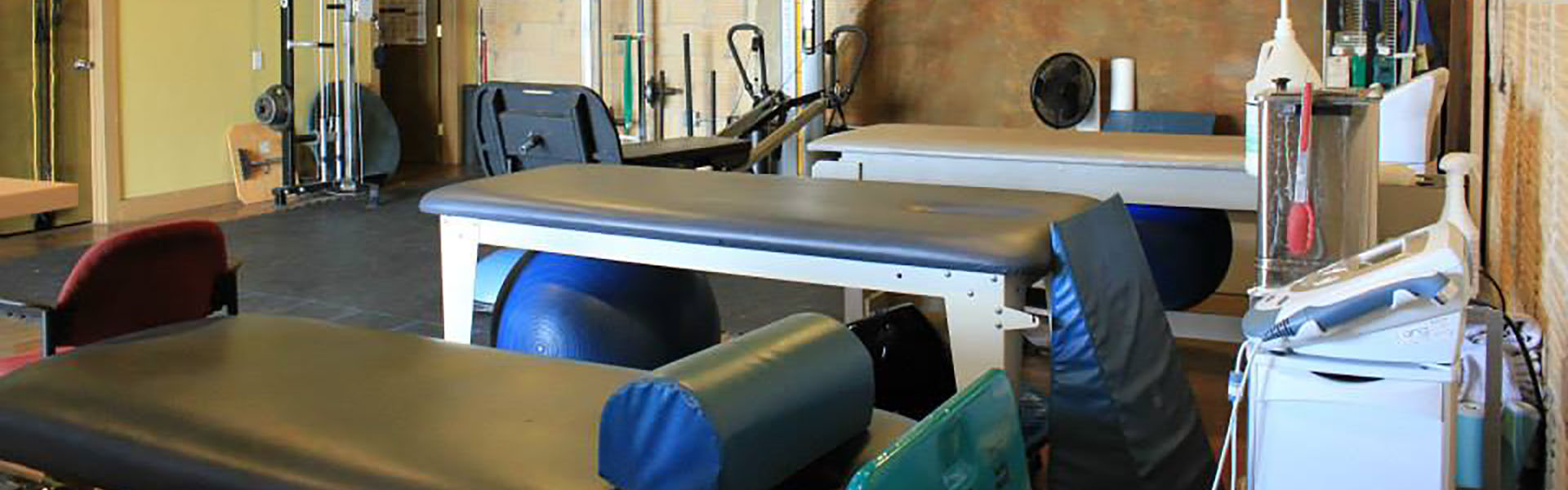
“Great location on San Pedro Ave. The facility is perfect for a physical therapy gym. I never felt crowded or self conscious doing my therapy. The atmosphere is light and airy, never stuffy. Dr. Mark and his team make you feel immediately at ease and ready to work on your health issues. I’m feeling 100% better after following the program Dr. Mark set up for me. Thanks to him and his team. I continue to do my therapy at home to stay healthy and fit. I recommend you start your journey to a successful, pain-free life with Optimum Physio!”
—Denise P.
We Want To Hear Your PT Success Story!
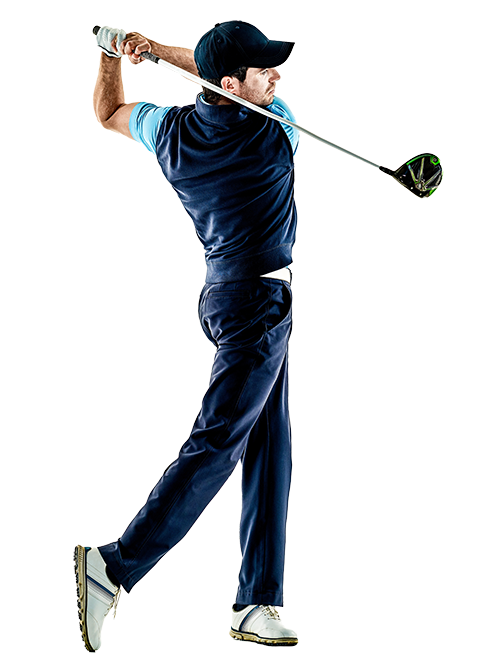
Golf Performance Clinic
Eight out of 10 golfers say that lower back pain and lack of mobility are the biggest factors that limit their time on the course and affect the ability to drive with confidence out of the tee box. Eliminating these two barriers will not only drop your score but set a foundation for enjoyable golf for years to come. Optimum Physio Therapies San Antonio has partnered with TPI (Titleist Performance Institute) to better handle these issues so golfers may drive further, play longer, and have confidence in their stroke.
If you would like to know more about how our Optimum Physio Therapies Golf Performance Clinic can help you drive further and play longer, contact us today!


Exercise of the Month
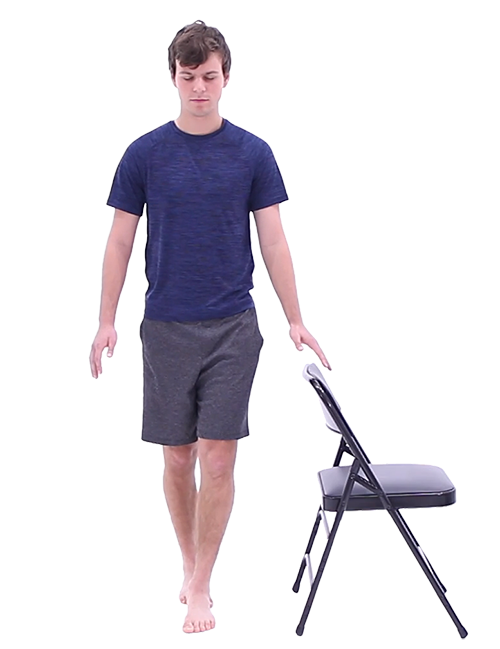
Tandem Balance, Eyes Closed
Stand next to the back of a chair and place one hand on it for support. Place one foot right in front of your other so your heel is touching the tips of your toes. Close your eyes and then remove your hand from the floor. Hold this balance for 30 seconds.