
The Relationship Between Lower Back Pain and Pelvic Pain
July 2025 Newsletter
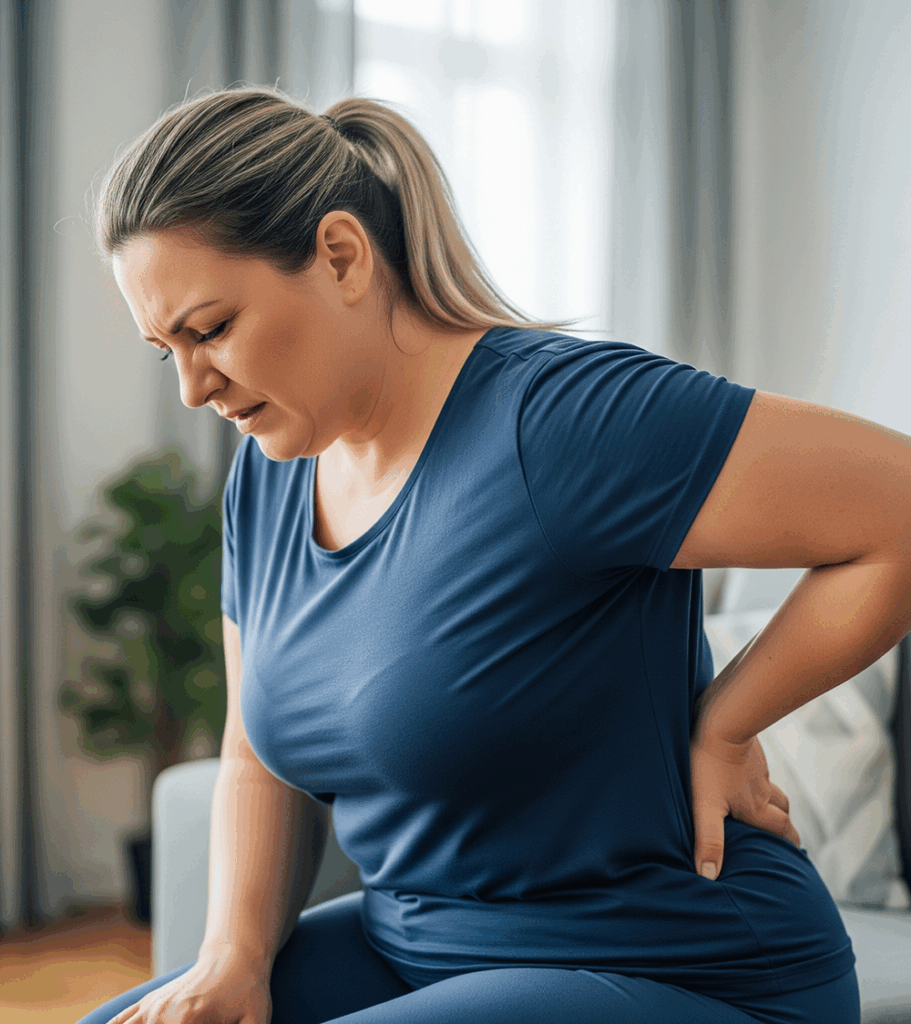
Most of us will experience back pain at some point in our lives. We might get a little too enthusiastic when moving furniture or develop muscular imbalances due to a sedentary job. But sometimes, back pain isn’t really back pain–rather, it’s rooted in dysfunction in your pelvic area.
Unfortunately, pelvic pain is often harder to discuss than back pain. It often stems from dysfunction with your pelvic floor, the band of muscles that support your bladder, bowels, and genitals. It can also indicate an issue with your sacroiliac joints.
Both back and pelvic pain can strike men and women–but women do tend to have more issues with pelvic pain, including pelvic-related back pain. Bodily changes during pregnancy are an especially common culprit.
If you’re dealing with pain in your lower back or pelvic area–or both–call Optimum Physio Therapies to schedule an appointment. We’ll help determine the actual source of your pain so you can find lasting relief.
Understanding the Causes of Lower Back and Pelvic Pain

Lower back pain is widespread and has several potential causes, including herniated discs, sprains and strains, poor posture, and spinal arthritis–not to mention various contributing factors like poor posture or muscular weakness.
But if that pain spreads into your pelvic area, there may be something else going on. In fact, lower back pain without a clear underlying cause often stems from dysfunction in the pelvic area, such as the following:
Impaired pelvic floor: Did you know that your pelvic floor muscles make up part of your core, which supports and stabilizes your spine? If your pelvic floor muscles are weakened or impaired, your back muscles have to do more work to compensate–setting you up for muscle strains or other injuries.
Sacroiliac joint dysfunction: The sacroiliac joint is the joint that links the spine to the pelvis, so it should be surprising that if something’s wrong there, you may feel pain in both your lower back and your pelvic area. Arthritis, injury, and pregnancy can all cause issues in the sacroiliac joint.
Pregnancy: Pregnancy itself is a common cause of pain throughout the lower back and pelvic area. There are two main reasons for this:
- Your center of gravity changes, and your growing baby can force your hips back at an awkward angle, leading to pain.
2. Hormonal changes cause your ligaments to become looser in preparation for childbirth, which puts strain on your lower back and pelvis.
Helping You Find Relief, No Matter the Source
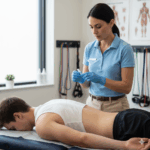
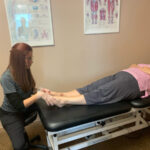
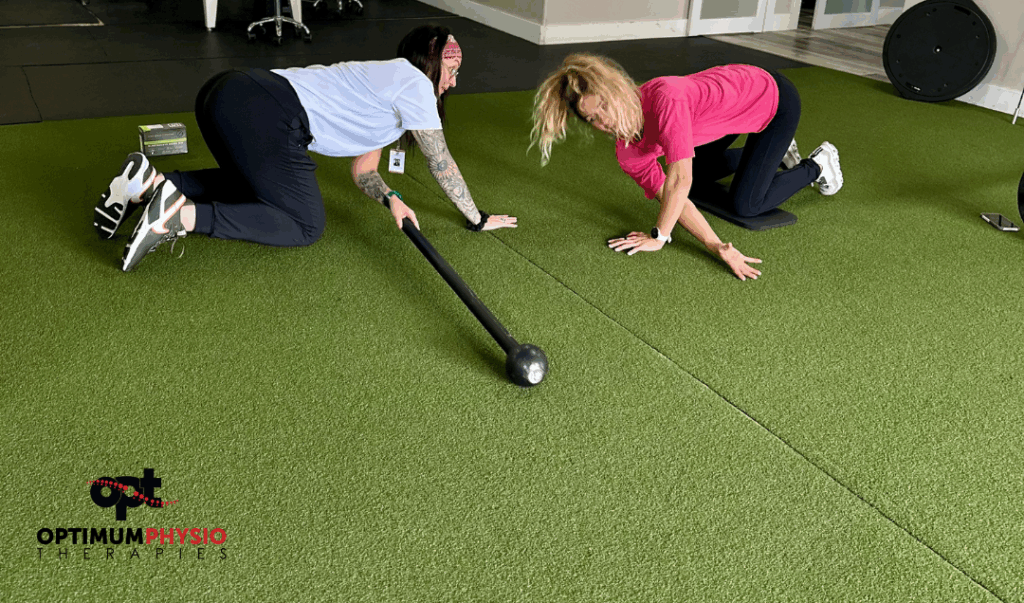
When it comes to pain in your lower back and pelvis, the first step our therapists take is to identify the source of your pain. That way, we can provide the customized treatment you need to resolve the pain at its root rather than merely treating symptoms.
We’ll begin with a comprehensive evaluation. Our therapists provide a welcoming, discreet space where you can freely share your symptoms–including pelvic-related symptoms that might feel embarrassing. Make sure you share…
- The exact location of your pain
- The pain’s sensations–is it burning? Dull? Aching?
- When do you feel pain? Is it persistent? Do you mostly notice it when you wake up?
- Any restrictions in range of motion you might be experiencing
- Any pelvic-related symptoms you might be experiencing, such as incontinence or sexual dysfunction
Once we’ve reviewed your symptoms and taken a full health history, we’ll conduct an in-depth physical evaluation, including running several movement screens. All this information helps us determine whether or not your pain is rooted in your lower back, pelvic area, or somewhere else–and that helps us develop your personalized treatment plan.
Call Us Today To Get Started!
If you’re struggling with back or pelvic pain, the Optimum Physio therapists will help you get to the bottom of things. Call to make your appointment today!
Don’t miss out on the benefits of good balance. Call us to request your balance assessment today!

Targeted Treatments So You Can Find Relief
Our treatment plans will vary based on your exact needs. In general, though, we aim to help you with the following:
- Find immediate pain relief through manual therapy techniques or gentle stretches
- Improve mobility through targeted range of motion exercises
- Strengthen any weakened or impaired muscles, whether in your back or pelvic floor
- Provide you with the tools you need to avoid future bouts of pain
Our Patients Get Great Results
“I was originally referred for Pelvic Floor Therapy but we quickly realized my pelvis and hips needed attending to as well.”
“This IS the place to be for PT. I recently finished up 5 weeks of treatments and am amazed at my progress. I was originally referred for Pelvic Floor Therapy but we quickly realized my pelvis and hips needed attending to as well. Mark and his team were amazing. They were patient, encouraging and had confidence in me when I didn’t. Thank you for all your hard work and holding me accountable.”
– ELIZABETH B.
We Want To Hear Your PT Success Story!
Service Spotlight
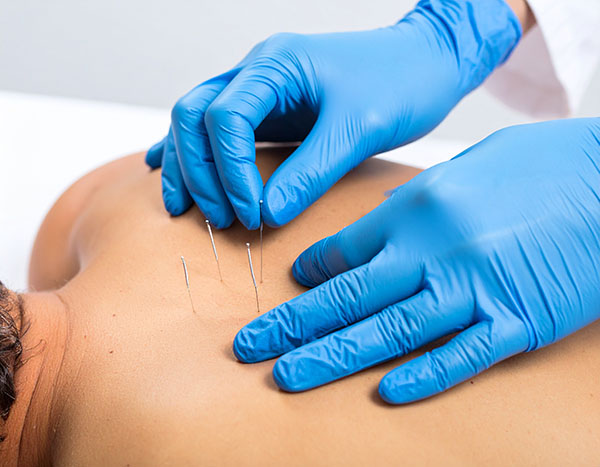
Why Should I Choose Dry Needling?
Dry needling can speed up recovery time and allow you to return to your daily life as quickly as possible.
There are a large variety of musculoskeletal issues that can be treated with dry needling. When paired with our traditional exercise-based physical therapy treatments and advanced manual therapy techniques, we have found that the vast majority of our patients achieved the pain-free goals they were aiming towards.
After conducting a comprehensive evaluation to assess the nature of your condition, our physical therapist will let you know if dry needling is the best course of treatment for you. We have used dry needling to treat several diverse conditions, from chronic pain sufferers to athletes experiencing delayed onset muscle soreness.
Request Your Appointment Today!

.
Feel Better by Eating Better!
Golden Gazpacho with Minted Cream
Fresh, mint-flecked cream is an elegant final touch to this summery soup of yellow tomatoes, peppers, and squash. This recipe originally appeared in The Beekman 1802 Heirloom Vegetable Cookbook by Brent Ridge, Sandy Gluck, and Josh Kilmer-Purcell.
Ingredients
- 1 lb. yellow tomatoes, cored and cut into large chunks
- 1 yellow bell pepper, cut into large chunks
- 1 small yellow squash (4 ounces), cut into large chunks
- 2 shallots, peeled and halved
- 1 cup carrot juice
- 2 Tbsp. sherry wine vinegar
- 3/4 tsp. kosher salt
- 1/2 cup fresh mint leaves
- 1/2 cup sour cream
Step 1 In a blender, combine tomatoes, bell pepper, squash, shallots, carrot juice, vinegar, and salt; purée until smooth. Transfer to a container and refrigerate until chilled.
Step 2 In a small saucepan of boiling water, cook the mint leaves for 10 seconds to set the color. Drain and rinse under cold water. Squeeze dry and finely chop. Transfer to a small bowl with sour cream and stir to combine.
Step 3 Serve soup in chilled bowls and top each with a dollop of minted sour cream.
https://www.countryliving.com/food-drinks/recipes/a5197/golden-gazpacho-minted-cream-recipe-clx0614
Exercise of the Month
LOWER TRUNK ROTATIONS
Lie on your back with knees bent and feet flat. Gently drop your knees to one side while keeping your shoulders down, then return to center and rotate to the other side. This improves lower back flexibility.