

Innovative Treatment Approaches to Help with Bell’s Palsy
August 2025 Newsletter
We recently worked with a patient who had undergone a dramatic change in her facial appearance. Sound like something for a plastic surgeon rather than a physical therapist? Think again!
This patient had Bell’s Palsy, a condition that causes a sudden weakness in the facial muscles. Our patient’s appearance change was a result of this weakness and was somewhat moderate–she didn’t have total paralysis, as some people do, but she did struggle with eating and speaking.
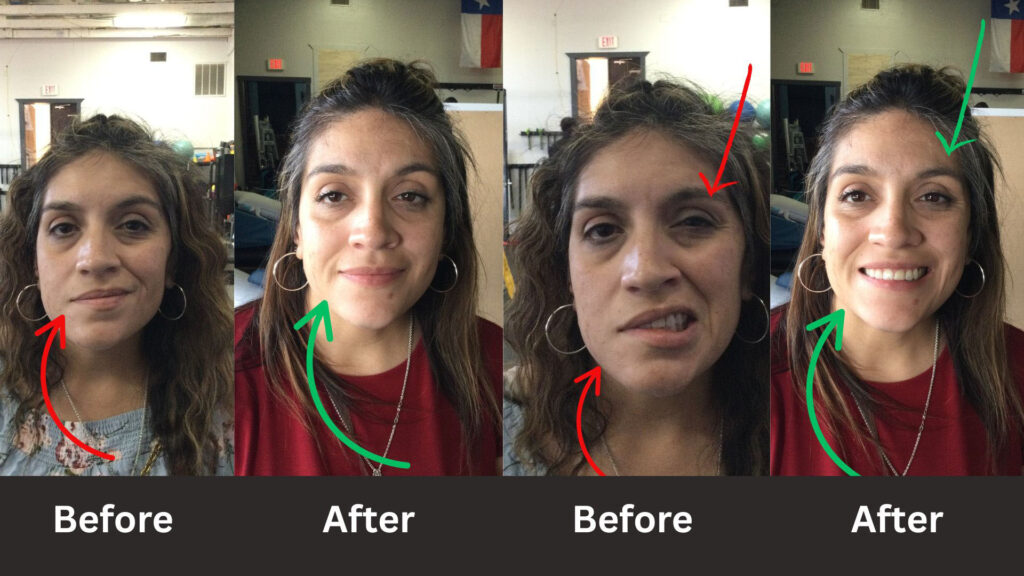
Fortunately, the team at Optimum Physio Therapies was able to help this patient regain control of her facial muscles using various innovative, drug-free techniques. Her treatment enhanced her ability to perform daily activities and boosted her overall self-confidence.
Are you or someone you love living with Bell’s Palsy? We’re here to help you just as we did our recent patient. Keep reading to learn more!
Understanding Bell’s Palsy: What You Need To Know
What Causes Bell’s Palsy?

Bell’s Palsy occurs when the facial nerve, which controls your facial muscles, becomes inflamed. The causes aren’t always clear, and some people might develop the condition for no apparent reason.
However, Bell’s Palsy may be linked to viral infections, such as the herpes simplex virus (the same one that causes cold sores and genital herpes), the Epstein-Barr virus (associated with mononucleosis), and influenza.
It can also develop due to Lyme disease, a bacterial infection caused by a tick bite.
Who’s Most at Risk?
While Bell’s Palsy can occur in anyone, certain groups are at a higher risk; for example, pregnant women, especially those in their third trimester, are more likely to develop the condition. In addition, individuals with diabetes and people with recent upper respiratory infections, such as the flu or a cold, are also more susceptible.
How Does Physical Therapy Help?
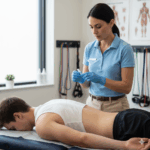
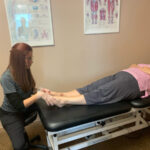
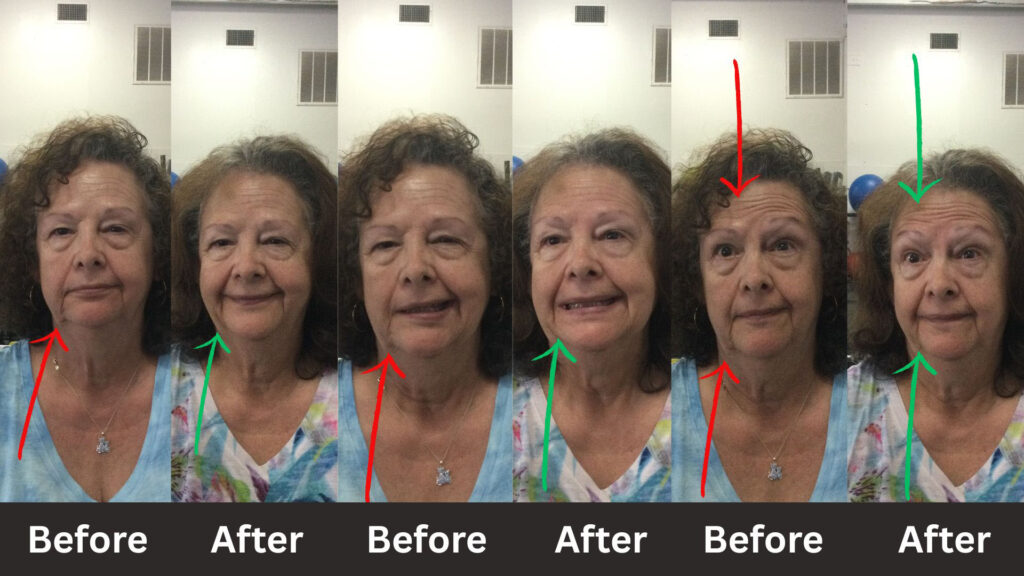
The good news is that physical therapy can play an important role in recovering from Bell’s Palsy. Our PTs can guide you through specialized exercises to improve your muscle strength and coordination, reduce pain, and restore your facial function to the best extent possible. With consistent treatment, physical therapy can help facilitate healing and enhance facial function.
What to Expect at Your Physical Therapy Sessions
A Comprehensive Assessment
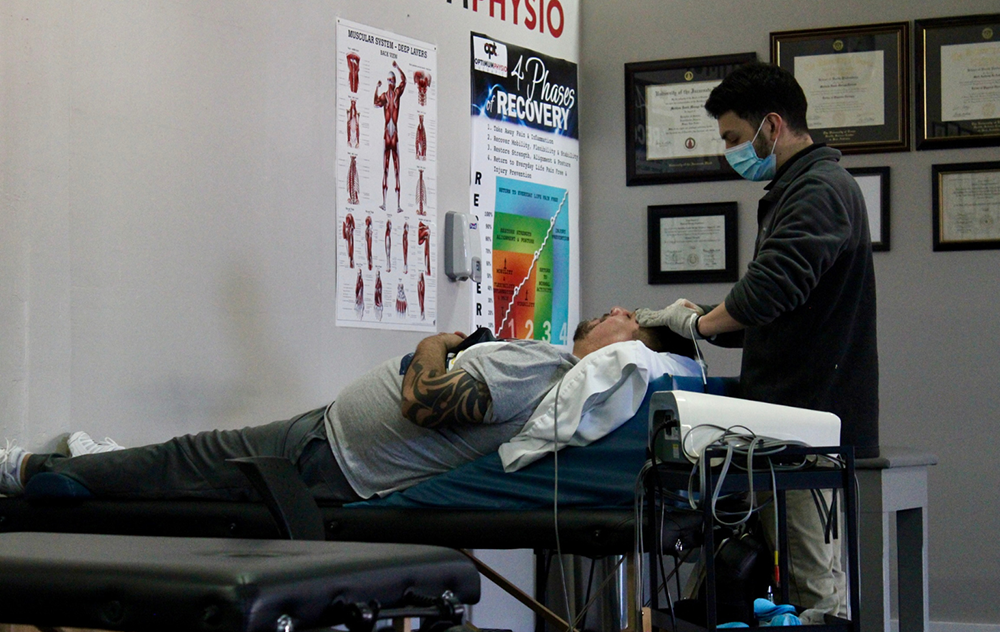
Our physical therapists perform a detailed evaluation on your initial visit, starting with an in-depth medical history to build a picture of your health. This helps us understand your condition’s unique nature and how it impacts your daily life.
Next, we’ll perform targeted physical examinations to determine the severity of your facial weakness and potential sensory deficits and assess other related issues.
A Personalized Treatment Program
Our thorough evaluation process allows us to craft a personalized treatment plan that addresses your needs. We’ll select treatment strategies that foster nerve regeneration, improve muscular strength, and enhance overall functionality.
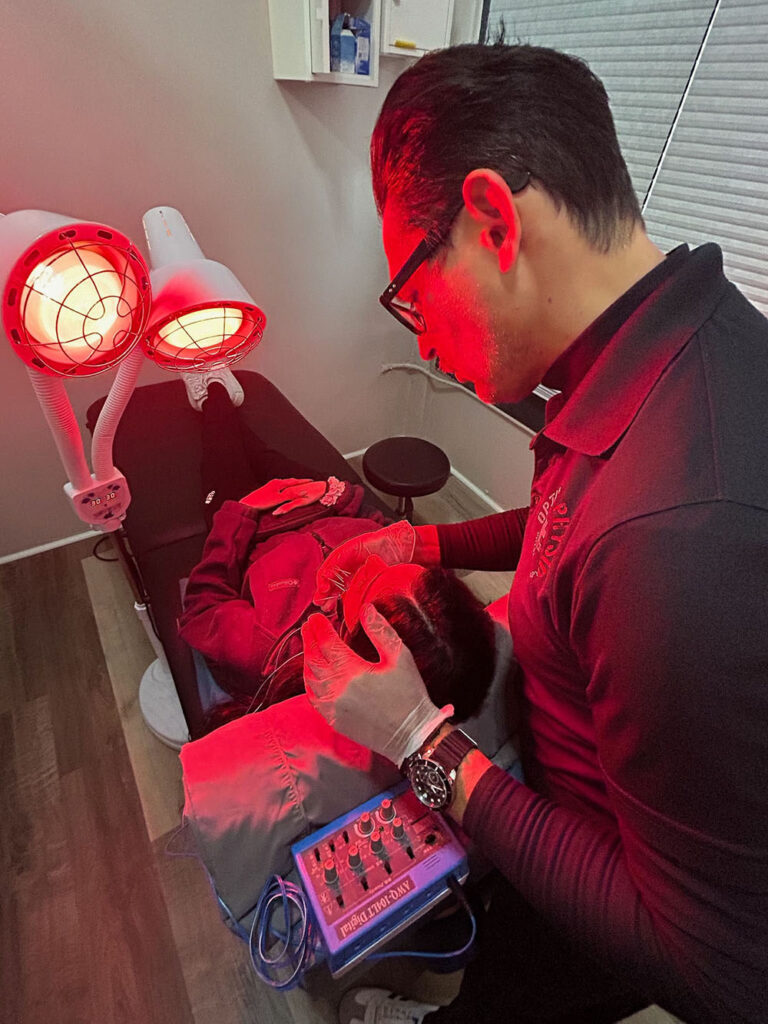
Your treatment will focus on relieving Bell’s Palsy symptoms while encouraging overall well-being. We may use the following techniques:
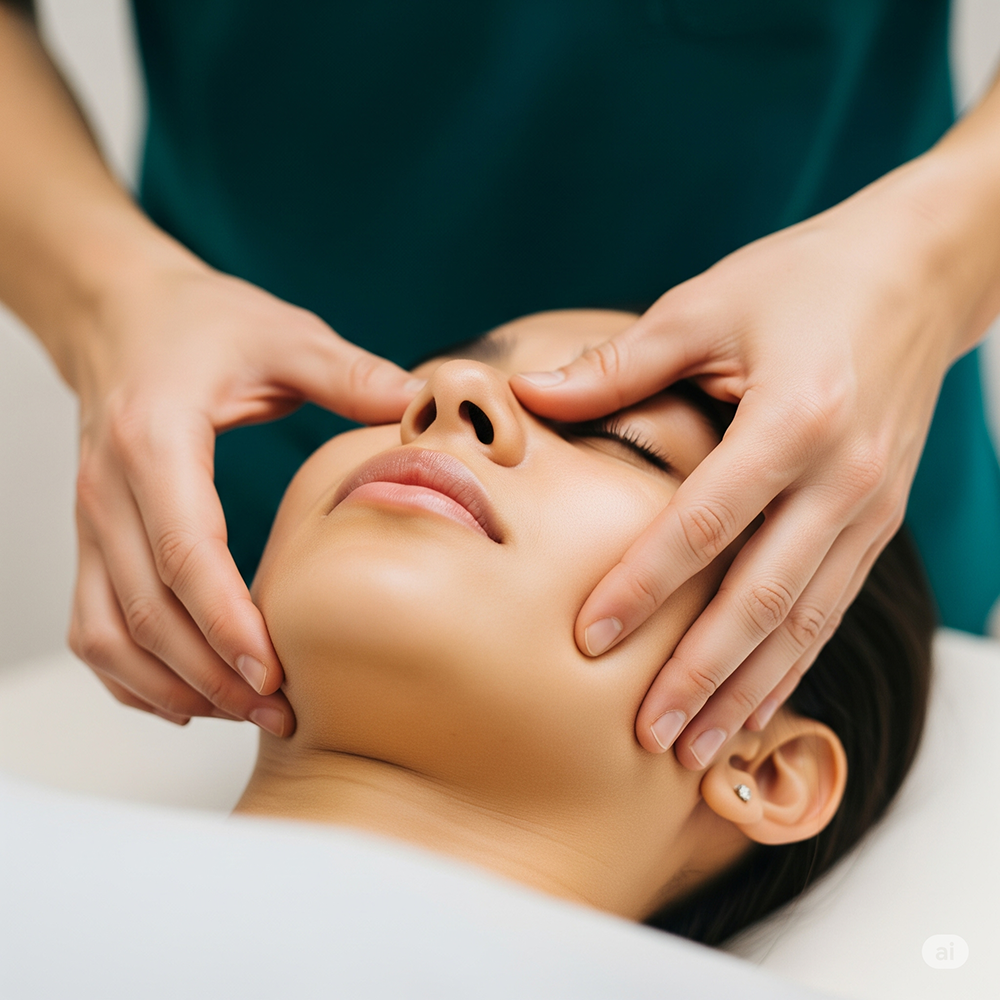
- Manual Therapy: A key technique in our toolkit involves applying hands-on pressure and movement to your affected muscles. This approach encourages better blood flow, reduces pain, and improves overall movement.
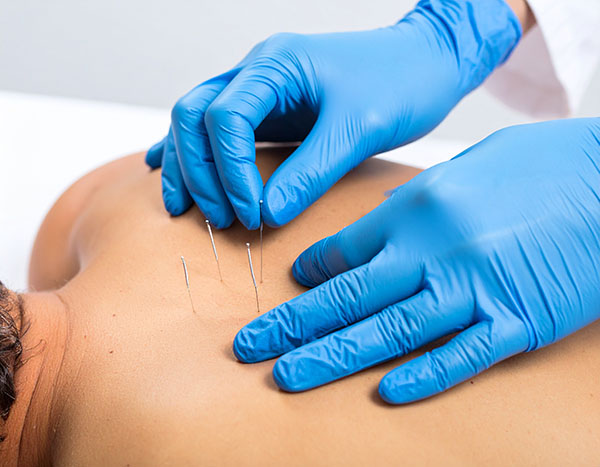
- Dry Needling: Dry needling involves inserting thin needles into areas of restriction throughout the face and neck, promoting muscle relaxation, promoting blood flow, and helping in reducing the inflammation that can contribute to your symptoms.
- Electrical Stimulation: This noninvasive treatment uses mild electrical currents to stimulate muscles and nerves, helping to improve muscle tone and prevent atrophy while promoting quicker recovery of the facial nerve.
- Neuromuscular Re-education: This therapeutic method of carefully designed exercises encourages your facial muscles to relearn their normal functions.
- Prevention Strategies: As part of your program, we’ll empower you with self-management strategies, such as targeted exercises and relaxation techniques, to maintain facial muscle function and reduce the risk of recurrent symptoms.
Call Today to Request an Appointment!
The earlier you begin physical therapy for Bell’s Palsy, the more effective your recovery process will be, including a reduced risk of complications. The Optimum Physio Therapies team is here to help you restore confidence and quality of life. Schedule an initial consultation to get started.
Our Patients Get Great Results
“OPTIMUM Physio is the best physical therapy clinic.”
“Optimum Physio is the best physical therapy clinic I’ve been to throughout my adult life. I’ve had multiple back surgeries which have created a plethora of issues with muscles, tendons, sciatica, and other nerve related related conditions. They have improved over multiple sessions with them and continue to improve. There’s not one physical clinic in San Antonio or other cities I’ve lived in that equals Optimum Physio. Dr. Anda is very knowledgeable and has an incredible staff of other physical therapists and assistants that specialize in move exercises, stretching & strengthening. They all work well together as a coordinated team, and you never have to wait for your next round of treatment. Each team member focuses on individual therapies, yet easily crossover if necessary. The staff is very knowledgeable and friendly. It’s a delight to see them at each visit. Don’t wait to make your appointment! Your body will thank you!”
– Cathy D.
We Want To Hear Your PT Success Story!
Service Spotlight
Why Should I Choose Dry Needling?
Dry needling can speed up recovery time and allow you to return to your daily life as quickly as possible.
There are a large variety of musculoskeletal issues that can be treated with dry needling. When paired with our traditional exercise-based physical therapy treatments and advanced manual therapy techniques, we have found that the vast majority of our patients achieved the pain-free goals they were aiming towards.
After conducting a comprehensive evaluation to assess the nature of your condition, our physical therapist will let you know if dry needling is the best course of treatment for you. We have used dry needling to treat several diverse conditions, from chronic pain sufferers to athletes experiencing delayed onset muscle soreness.
Request Your Appointment Today!

Feel Better by Eating Better!
Healthy Chicken Quesadillas
- 2 tbsp low sodium chicken broth
- 1⁄4 cup onion, chopped
- 1 small garlic clove, minced
- 1⁄4 cup bell pepper, chopped
- 2 chili peppers, minced (to taste)
- 3 plum tomatoes, chopped
- 8 flour tortillas
- 1 cup low-fat cheddar cheese, shredded
- 1 1⁄2 cups cooked chicken, shredded
- scallion, cut on the bias (garnish)
- salsa (garnish)
- nonfat sour cream (garnish)
In a medium-heavy skillet, saute the onions, garlic and peppers until soft in the 2 tablespoons chicken broth. Add the chili peppers and tomatoes and simmer for a few minutes more until the liquid has evaporated. Add the chicken and stir well to combine. Spray a cold skillet with the nonstick spray and heat over medium heat. Place a tortilla in the pan and sprinkle with 1/8 cup cheese. Add about a quarter of the chicken mixture and top with another 1/8 cup cheese. Cover with another tortilla and cook for two to three minutes or until golden brown. Flip the quesadilla over and cook for an additional two minutes. Remove from the heat and cut into edges. Keep warm while frying the remaining quesadillas. Serve with salsa, scallions, and fat-free sour cream.
Exercise of the Month
Dead Bug
(Core, Lower Back)
Lie down on your back with your arms by your sides, your knees bent to 90-degrees, and your feet on the floor. Raise one arm up straight and one knee up towards the ceiling at the same time. Your arm should stay straight and be pointing straight up at the top and your knee should be at 90-degrees and be pointing straight up at the top. 3 Sets, 10 Reps.