
Improving Your Health Through Strength Training
In the past, many people associated strength training with oiled-up, musclebound bodybuilders — and, as such, decided strength training wasn’t the workout for them. But that idea couldn’t be farther from the truth!
In a way, we get it. Strength training can be incredibly intimidating if you’re coming at it cold: you have to grapple with unfamiliar equipment, uncertainty about proper lifting techniques, and confusion about which exercises to perform. But once you find your footing, strength training is one of the best things you can do for your overall health and wellness.
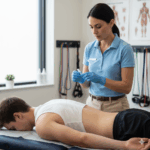
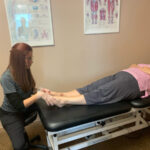
At Optimum Physio Therapies, we want to help make strength training accessible to all, regardless of age, health history, or ability level. To help you see the many benefits of strength training, we thought we’d share the stories of two patients: Alisha and Michelle.
Both of these patients are ordinary women in their late 50s. Neither were hardcore athletes. But both discovered the benefits of strength training for health.
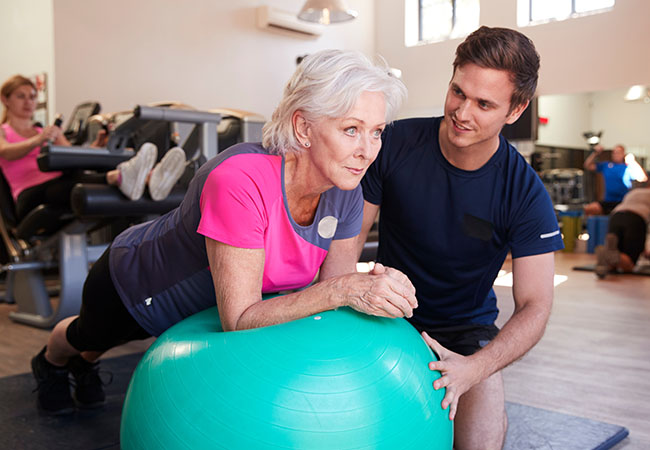
Alisha: A New Hobby in Middle Age
Alisha first came to see us after she injured her back while working in the garden. Like most older people, Alisha’s muscle mass had been steadily decreasing, and the resulting weakness had ultimately led to her injury.
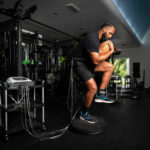
We provided her with a customized treatment plan, including dedicated strength training focused on Alisha’s core and back. She was surprised by how much she enjoyed the exercises, including how great she felt after completing them.
As her rehabilitation neared completion, Alisha asked her physical therapist for more information about strength training. She had heard it was an important piece of osteoporosis prevention, something that had been in the back of her mind since the condition ran in her family.
We were more than happy to help Alisha out. Her therapist helped her develop a general strength training program using barbells and dumbbells. He walked her through each exercise, assessed her lifting form, and guided her on gradually increasing intensity.
The result? Alisha found a new hobby. She became an avid weightlifter, hitting the gym three times a week. Even better, she restored some of her lost muscle mass, and her garden activities became easier over time.
Michelle: A Resistance to Resistance Training
Michelle had developed osteoarthritis in her hips in her mid-50s. Although the pain wasn’t severe, she did find herself becoming less active than she’d prefer. Eventually, she contacted us for help managing and slowing her condition.
Regular exercise is one of the best ways to manage osteoarthritis pain, but Michelle was nervous about doing anything too strenuous — including strength training. She was especially wary of anything involving heavy weights.
However, strength training is an important piece of osteoarthritis management. Strong muscles stabilize and support the impacted joints, helping to relieve pressure (and symptoms).
Michelle’s physical therapist was sympathetic to her concerns, especially since low-impact exercises are generally better for people with osteoarthritis. To that end, she suggested Michelle start with a daily walking regimen, which would help get her used to physical activity while still building some muscle strength and endurance.
After a few weeks, Michelle’s therapists started her on simple bodyweight exercises that wouldn’t put too much pressure on her knee joints. They weren’t as difficult or painful as Michelle feared, and she eventually decided she wanted to add a little more resistance after all.
But she didn’t go all in with heavy barbells, as Alisha had. Instead, Michelle used a blend of resistance bands and light dumbbells. Her therapist provided the necessary guidance — and before Michelle knew it, she was performing strength training routines twice a week.
The result? Less pain and stiffness from Michelle’s arthritis meant more mobility and an easier time running errands, doing chores, and spending time with her loved ones.
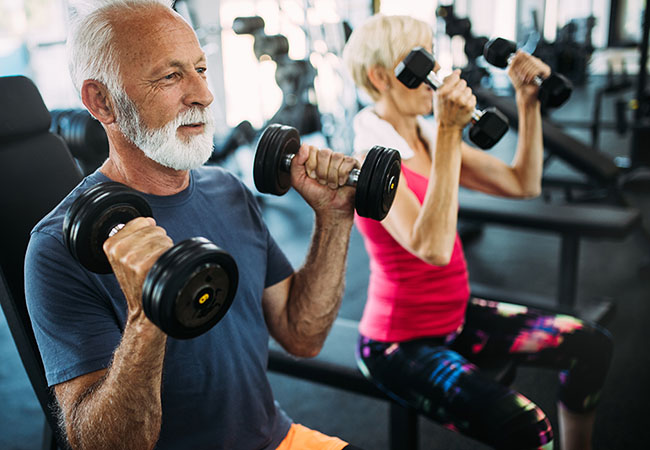
How Will Strength Training Benefit You?
Good health means different things to different people. At Optimum Physio Therapies, we focus on improving your overall function so you can do the things in your life that matter most. Whether you want to kickstart an intense strength training program (like Alisha) or simply ensure you’re meeting the CDC’s recommendation of 2 days of muscle strength work a week (like Michelle), we’ve got you covered.
Call us today to get started on your strength training journey!
Our Patients Get Great Results
“They kept me optimistic even when I felt I was not making progress.”
“11 out of 10! Everybody at Optimum Physio is so nice and involved in your recovery. From my first appointment with Dr. Mark I felt cared for and welcomed into a community of professionals that were going to be invested in my wellbeing. Erik, Arturo, Michael, Dallas, Meredith, Val,…everybody who was involved in one way or another in my recovery made me feel like part of a family. They kept me optimistic even when I felt I was not making progress. They were compassionate and helped me see and keep track of the actual progress I was making! 110% recommended!”
— Mario G.
We Want To Hear Your PT Success Story!

Simple Tips for Healthy Living from Optimum Physio Therapies
1. Get Enough Sleep: Getting a good night’s sleep is one of the most important things you can do for your overall health. A lack of deep REM sleep will have physical and psychological ramifications, affecting cardiovascular health, insulin levels, and cognitive abilities. Aim for 7-8 hours of sleep a night.
2. Move Your Body: Exercise is another health-promoting behavior that has a big impact. Regular exercise improves your metabolic health, elevates your mood, and helps you stay mobile even as you age. Aim for 150 minutes of moderately intense exercise (i.e., walking) each week — that works out to about 22 minutes daily!
3. Eat a Nutritious Diet: Although it may seem like certain foods cycle in and out of “health food” status, research has confirmed the ideal diet: one that’s varied, with plenty of fruits and vegetables, whole grains, and lean meats. One simple tip for eating healthier is to emphasize adding healthy foods to your meals rather than restricting less healthy choices.
4. Stay Hydrated: As part of that nutritious diet, ensure you drink plenty of water throughout the day. Hydration helps prevent injuries and may lessen your chances of developing chronic illnesses. Current recommendations vary but usually land at around 8 cups a day.
5. Meditate Daily: Taking five minutes each day to practice deep breathing and mindfulness can, like exercise, have a radiating effect on your physical and mental health.
For more tips on how to become healthier, stronger, and more active, make an appointment today!
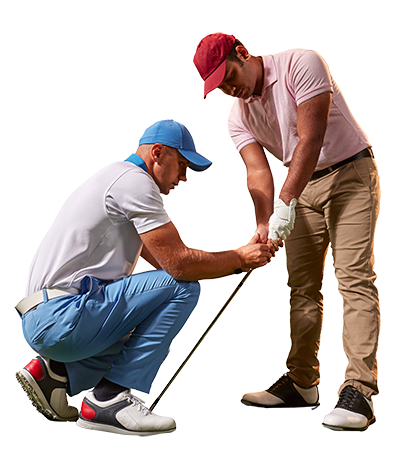
Golf Performance Clinic
Eight out of 10 golfers say that lower back pain and lack of mobility are the biggest factors that limit their time on the course and affect the ability to drive with confidence out of the tee box. Eliminating these two barriers will not only drop your score but set a foundation for enjoyable golf for years to come. Optimum Physio Therapies San Antonio has partnered with TPI (Titleist Performance Institute) to better handle these issues so golfers may drive further, play longer, and have confidence in their stroke.
If you would like to know more about how our Optimum Physio Therapies Golf Performance Clinic can help you drive further and play longer, contact us today!

Feel Better by Eating Better!
Roasted Brussels Sprouts with Goat Cheese & Pomegranate
- 1 pound Brussels sprouts, trimmed and halved
- 1 large shallot, sliced
- 1 tablespoon extra-virgin olive oil
- ¼ teaspoon salt
- ¼ teaspoon ground pepper
- 2-3 teaspoons white balsamic vinegar
- ¼ cup crumbled goat cheese
- ¼ cup pomegranate seeds
Preheat oven to 400 degrees F. Toss Brussels sprouts with shallot, oil, salt and pepper in a medium bowl. Spread on a large rimmed baking sheet.
Roast the Brussels sprouts until tender, 20 to 22 minutes. Return to the bowl and toss with vinegar to taste. Sprinkle with goat cheese and pomegranate seeds.
https://www.eatingwell.com/recipe/277561/roasted-brussels-sprouts-with-goat-cheese-pomegranate
Exercise of the Month
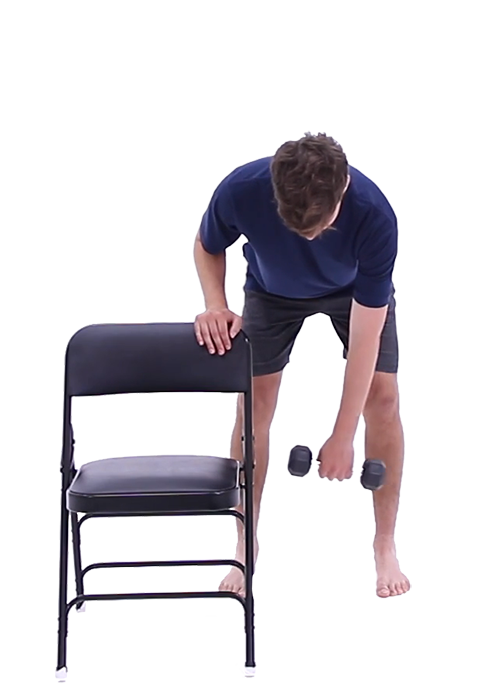
Abduction/Adduction Pendulum With Support
Start by placing your non-working hand on a table or chair for support with your working arm hanging straight down in front of your chest with a light dumbbell in your hand. Slowly start moving your hips from side to side and let the momentum from your lower body cause your hanging arm to begin moving in a side to side motion.