

Exploring the Many Benefits of Dry Needling
Are you struggling with muscle pain or restricted mobility? Would you prefer an all-natural, minimally invasive alternative to medication in your search for pain relief? Then you need to know about dry needling!
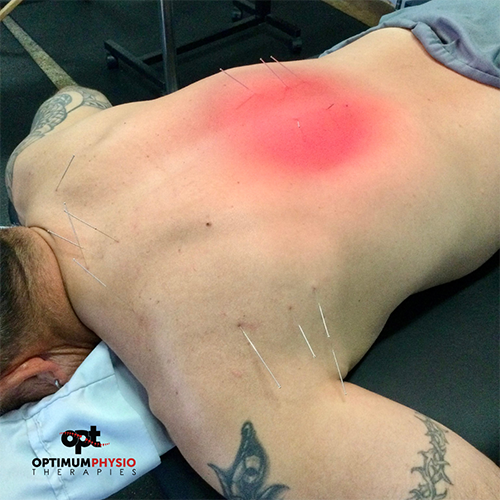
Dry needling is a physical therapy technique that involves inserting thin, sterile needles into specific points in the body. If you think that sounds like acupuncture, you’re not wrong–although the two techniques have some key differences.
At Optimum Physio Therapies, we often incorporate dry needling into our comprehensive physical therapy treatment programs to manage various pain conditions. It can provide acute pain relief and help alleviate muscular tension, making it easier to address your condition’s underlying cause.
What is Dry Needling? A Simple Guide
On the surface, dry needling looks a lot like acupuncture. Both involve inserting thin needles throughout the body to help alleviate pain and discomfort.
However, acupuncture is rooted in traditional Chinese medicine. Dry needling, on the other hand, is rooted in scientific understanding of the body’s musculoskeletal system. Namely, it targets trigger points–small knots in your body’s myofascia, the web of tissue that wraps around the muscles. Those trigger points can cause both localized and referred pain and limit your mobility.
Inserting a needle into these trigger points can interrupt pain signals, improve blood flow to the affected muscle, and reduce muscle tightness, helping you to find relief.
How Dry Needling Complements Physical Therapy
Dry needling is most effective when combined with other PT treatments we offer at Optimum Physio Therapies, such as therapeutic exercise and manual therapy. Strength training helps maintain muscle balance and prevent pain from returning. Manual therapy techniques, like joint mobilization, enhance the overall benefits of needling.
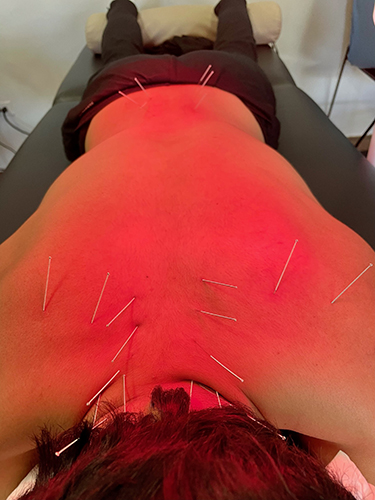
What to Expect During a Dry Needling Session
Most dry needling sessions last 15 to 30 minutes. We identify the necessary trigger points, insert the needle directly into the muscle, and leave it for a set time (usually a few seconds to 20 minutes, depending on the specific technique).
Due to the size of the needles (they are extremely thin), this is generally not painful. However, you may feel a slight twitch response, a sign that the muscle is releasing tension. Some people also experience mild soreness afterward, similar to post-exercise muscle fatigue, but this usually fades within a day or two.
The number of sessions you need will vary depending on your condition and overall treatment program. Some people find relief right away, while others need a few sessions before they start to experience results.
Common Conditions Treated with Dry Needling
Back and Neck Pain
- Chronic muscle tightness in these areas can cause discomfort and limit movement. Dry needling helps release knots and improve mobility.
Rotator Cuff Injuries
- Dry needling helps reduce inflammation and restore function in overworked or strained muscles.
Tendonitis
- Conditions like tennis elbow or Achilles tendinitis respond well to dry needling by reducing muscle tension around the affected tendon.
Knee Pain
- Dry needling addresses tightness in the quadriceps and hamstrings that can contribute to knee discomfort.
Plantar Fasciitis
- Dry needling helps relieve tension in the foot and calf muscles to reduce heel pain.
Less Common Conditions That Benefit from Dry Needling
Bell’s Palsy
- Bell’s palsy causes sudden muscle weakness on one side of the face. Dry needling can help stimulate affected nerves and improve facial muscle control.
TMJ Disorders
- The TMJ (temporomandibular joint) connects the jaw bone to the skull. Dry needling can help relieve tension in the jaw and surrounding muscles, easing discomfort caused by dysfunction in the TMJ.
Headaches and Migraines
- Trigger points in the neck and shoulder can cause referred pain that manifests as a headache or migraine. Dry needling helps work out those trigger points so you can find relief.
Pelvic Pain
- Dry needling can be helpful for muscle tightness in your pelvic floor, which contributes to conditions like pelvic floor dysfunction.
Fibromyalgia
- Fibromyalgia is a difficult-to-treat chronic pain syndrome. Dry needling can help reduce widespread muscle pain and sensitivity by decreasing excessive muscle tension.

Is Dry Needling Right for You?
Do you think you might benefit from dry needling at Optimum Physio Therapies? Schedule an initial consultation with one of our physical therapists to learn more about how dry needling might fit into your treatment program.
Our Patients Get Great Results
“I’ve been to other physical therapy clinics in the past 20 years and Optimum Physio is truly the best care I’ve ever received.”
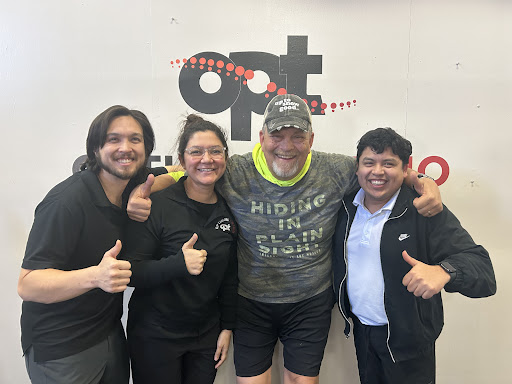
“I overwhelmingly recommend Optimum Physio to anyone desiring consistently compassionate, supportive, and dedicated physical therapy! I felt a personal connection throughout my 2 months of care — from a welcoming day one with Dr. Mark throughout my time with Dallas, Eric, Logan, Meredith, Michael, Sonia, and all others — everyone was involved in helping me achieve significant physical (and mental) recovery with a personalized treatment plan focused on rehabilitation goals. The entire staff made me feel like family and were professional, fun, and encouraging which made my therapy time enjoyable…even when some of the exercises (hip flexor stretches) pushed me to what felt like my limits! Scheduling appointments was easy and flexible, and I never waited more than a few minutes in the lobby. I greatly appreciated the app to use for home exercises as it ensured I performed exercises correctly with the number of sets and reps to complete. I’ve been to other physical therapy clinics in the past 20 years and Optimum Physio is truly the best care I’ve ever received. Although I was sad to say goodbye, I’m excited to continue my journey with the knowledge and tools my Optimum Physio family provided me! Wish I could click more stars!”
—Mike A.
We Want To Hear Your PT Success Story!
What Makes A Good Warm-Up and Cool-Down Routine?
Physical therapy is an important part of treating existing pain, but did you know that proper warm-up and cool-down routines can significantly reduce your risk in the first place?
A Proper Warm-Up
Dynamic Stretching
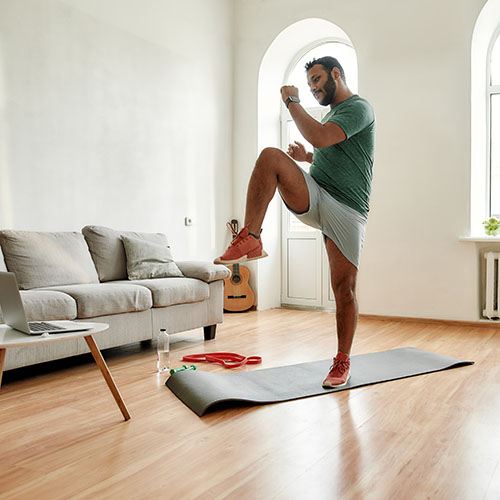
Forget holding those long, static stretches before your workout. Dynamic stretching is the key to priming your muscles for activity and protecting your knees from injury. Unlike static stretches, where you hold a position, dynamic stretching involves actively moving your joints and muscles through their full range of motion. Think controlled leg swings, arm circles, and torso twists — movements that mimic the activity you’re about to do.
Functional Movements
Then ditch the generic warm-up and focus on movements that mirror your sport. This type of functional warm-up primes your body for the specific demands of your activity, giving you an edge on the field or court. By rehearsing the movements you’ll be using in your sport, you’re essentially fine-tuning your neuromuscular pathways and preparing your body to react efficiently and effectively. This translates to better agility, quicker reflexes, and enhanced overall performance.
Craft A Cool-Down Routine
Cooling down after participation is as important as warming up to help your body gradually return to a resting state. Be sure to incorporate proper hydration, nutrition, stretching, and/or foam rolling to minimize post-workout soreness. Adequate recovery also ensures your body is ready to handle training demands the following day.
Need help designing a personalized warm-up and cool-down routine? Our physical therapists can assess your needs and provide expert guidance to optimize your health.
Dive into Spring Gardening Without the Back Pain
As flowers start blooming and southern gardens come alive, don’t let back pain hinder your green thumb efforts this spring. At Optimum Physio Therapies, we’re committed to helping you get back in your garden by addressing your back pain concerns.
Our expert assistance ensures you:
- Find relief from pain, preparing you for those gardening sessions.
- Restore your mobility and strength to plant, prune, and pick with ease.
- Share gardening tips and fresh produce with friends and family without the shadow of back pain.
Our treatments are crafted for your distinct needs. This spring, turn a new leaf without pain — connect with us today and let your wellness blossom alongside your garden!

Golf Performance Clinic
Eight out of 10 golfers say that lower back pain and lack of mobility are the biggest factors that limit their time on the course and affect the ability to drive with confidence out of the tee box. Eliminating these two barriers will not only drop your score but set a foundation for enjoyable golf for years to come. Optimum Physio Therapies San Antonio has partnered with TPI (Titleist Performance Institute) to better handle these issues so golfers may drive further, play longer, and have confidence in their stroke.
If you would like to know more about how our Optimum Physio Therapies Golf Performance Clinic can help you drive further and play longer, contact us today!


Feel Better by Eating Better!
Slow Cooker White Chicken Chili
This Crockpot White Chicken Chili offers comfort and satisfaction, courtesy of its creamy texture and healthy ingredients. The slow cooker keeps it breezy and hands-free!
Place chicken in the bottom of a 6-quart or larger slow cooker. Add the chicken broth, white beans, green chiles, garlic, onion, cumin, oregano, salt, and cayenne. Stir to combine. Cover and cook on low for 4 to 6 hours or high for 2 to 4 hours, or until the chicken is cooked through. Remove the chicken breasts to a plate. Once cool enough to handle, shred and set aside.
With an immersion blender, puree a portion of the chili to thicken it, leaving some of the beans whole. (If you don’t have an immersion blender, you can instead transfer a few ladlefuls of the chili to a food processor or blender and pulse roughly, then return back into the chili.)
Stir in the shredded chicken and cilantro. Portion into bowls and top with a squeeze of fresh lime juice. Add any other desired toppings and enjoy.
Ingredients
- 1 1/4 lbs. boneless skinless chicken breasts (2-3 breasts)
- 4 cups low-sodium chicken stock
- 2 (15-oz) cans reduced-sodium white beans such as white kidney, navy, cannellini, or Great Northern beans, rinsed and drained
- 2 (4.5-ounce) cans diced green chiles
- 3 cloves garlic minced
- 1 small yellow onion (or 1/2 large) finely diced
- 2 teaspoons ground cumin
- 1 teaspoon dried oregano
- 1/2 teaspoon kosher salt
- 1/4 teaspoon cayenne pepper
- 1/4 cup chopped fresh cilantro
- Fresh lime wedges
Exercise of the Month
Shoulder Circumduction
Start by standing up straight. Place your fingertips on your shoulders with your elbows sticking straight out to your sides. Slowly begin making clockwise circles with your elbows without moving your fingers. Continue as directed and then switch directions. Repeat 3 sets of 10 reps each.